The Magic Behind Git Diff: Myers Algorithm
Have you ever wondered why Git is so smart at detecting changes, even with the smallest tweaks or when you move an entire block of code around?
The secret is the Myers Diff Algorithm, which solved the Noisy Diff problem found in older methods. Simple algorithms often see a code refactor as a total "delete and replace" resulting in a messy diff that's almost impossible to read.
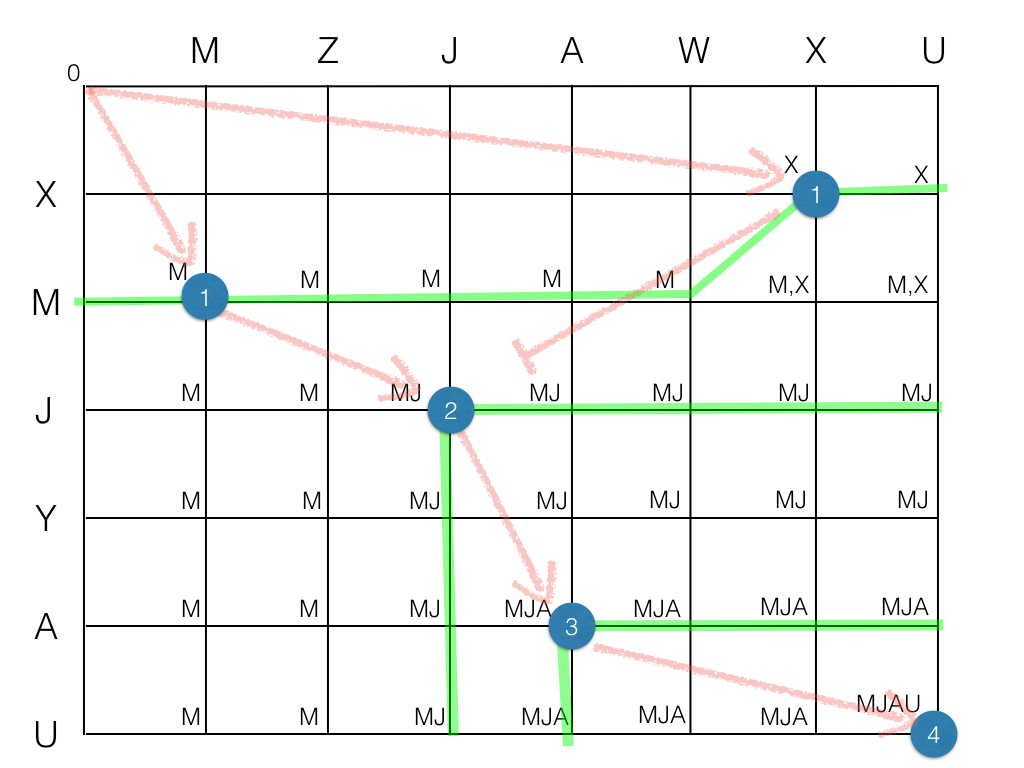
The core of Myers' intelligence is the Longest Common Subsequence (LCS). Basically, the algorithm hunts for the longest "thread" of code that remained unchanged between the old and new versions. It then builds the diff around that thread to give you the Shortest Edit Script possible.
This approach is exactly why your git diff stays logical and clean, making Pull Requests much easier to review regardless of how much refactoring you’ve done.
Why This Matters
- Cleaner Code Reviews: Understanding the diff algorithm helps you structure your commits better.
- Smarter Refactoring: Knowing how Git tracks lines can help you avoid "diff noise" when moving heavy logic.
- Conflict Resolution: Insights into LCS can make merging complex branches less daunting.
Next time you see a clean diff, thank Eugene Myers!